
Applications Applications Applications Applications
- Home
- /
- Applications
- /
- Applications
- /
- Curatives
- /
- Polyurethane
Polyurethane
What it is:
Polyurethanes are versatile polymers formed by the reaction of isocyanates with polyols, often modified by chain extenders and catalysts. They can be flexible, rigid, or elastomeric depending on formulation.
Applications and Uses:
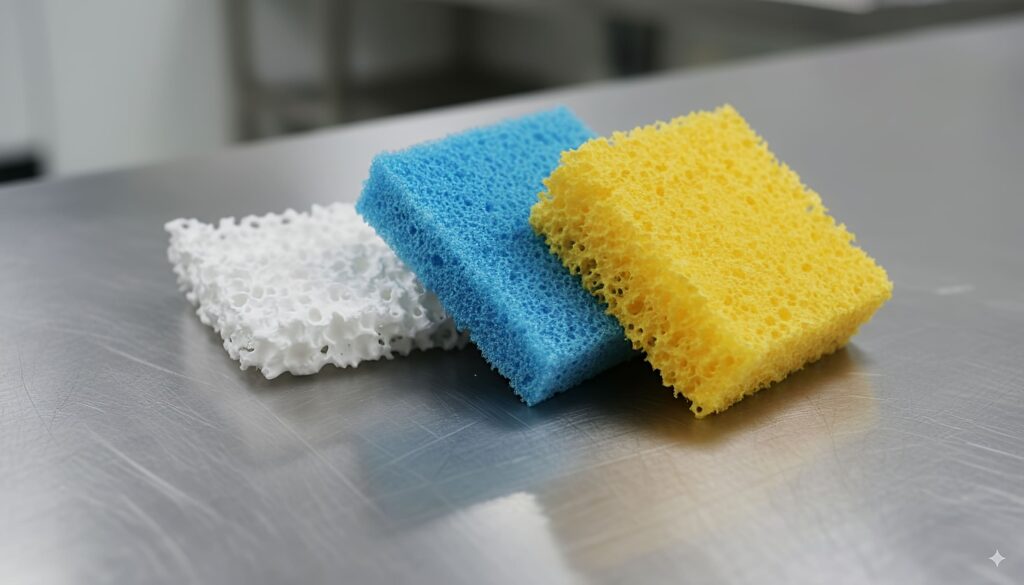
- Flexible and rigid foams (insulation, cushioning, automotive seats)
- Coatings and adhesives
- Elastomers (rollers, wheels, seals)
- Sealants and binders
How it is Produced:
Polyurethanes are produced by combining diisocyanates (MDI, TDI, etc.) with polyether or polyester polyols. The use of catalysts and chain extenders controls the cure rate, mechanical properties, and processing window.
The Role of Dorf Ketal Curatives:
- Unilink® 1000 Series: Zirconium-based catalysts, fast curing similar to tin, ideal for cast elastomers.
- Unilink® 2000 Series: Titanium-based catalysts, delayed cure similar to mercury, offering broad formulating window.
- Clearlink® 1000/1080: Chain extenders that enhance toughness and UV resistance.
- Tyzor® catalysts: Effective curing agents and tin-free alternatives for polyurethane adhesives and sealants.
Recommended Products
|
Product
|
Function
|
Key Benefits
|
|---|---|---|
|
Unilink® 1000 Series
|
Polyurethane catalyst
|
Fast cure, high productivity, tin replacement
|
|
Unilink® 2000 Series
|
Polyurethane catalyst
|
Delayed cure, mercury replacement, tailored properties
|
|
Clearlink® 1000/1080
|
Chain extender
|
Strength, UV stability, improved compatibility
|
|
Tyzor® 9000, AA series
|
Catalyst
|
Moderate to fast cure, environmentally responsible
|
CONTACT US
Our consultants are ready to help you maximize performance with the right catalyst and performance additives solution.